
What Should You Pack in a Travel Emergency Kit?
When preparing for a trip, an emergency kit can be a useful part of your travel preparations alongside your suitcase and personal belongings. Keeping a few essential items together in a small, well-organised bag makes them easier to find if something unexpected happens during your journey. The aim is not to pack everything you might possibly need, but to keep a selection of useful essentials within easy reach. The contents can be adapted to suit the length of your trip, your destination and your personal needs.
What Should You Pack in a Travel Emergency Kit?
Ideally, your emergency kit should be compact and easy to carry, so you can access it quickly when needed. Before you travel, think about the essentials you may need and put your kit together accordingly.
First Aid and Personal Essentials
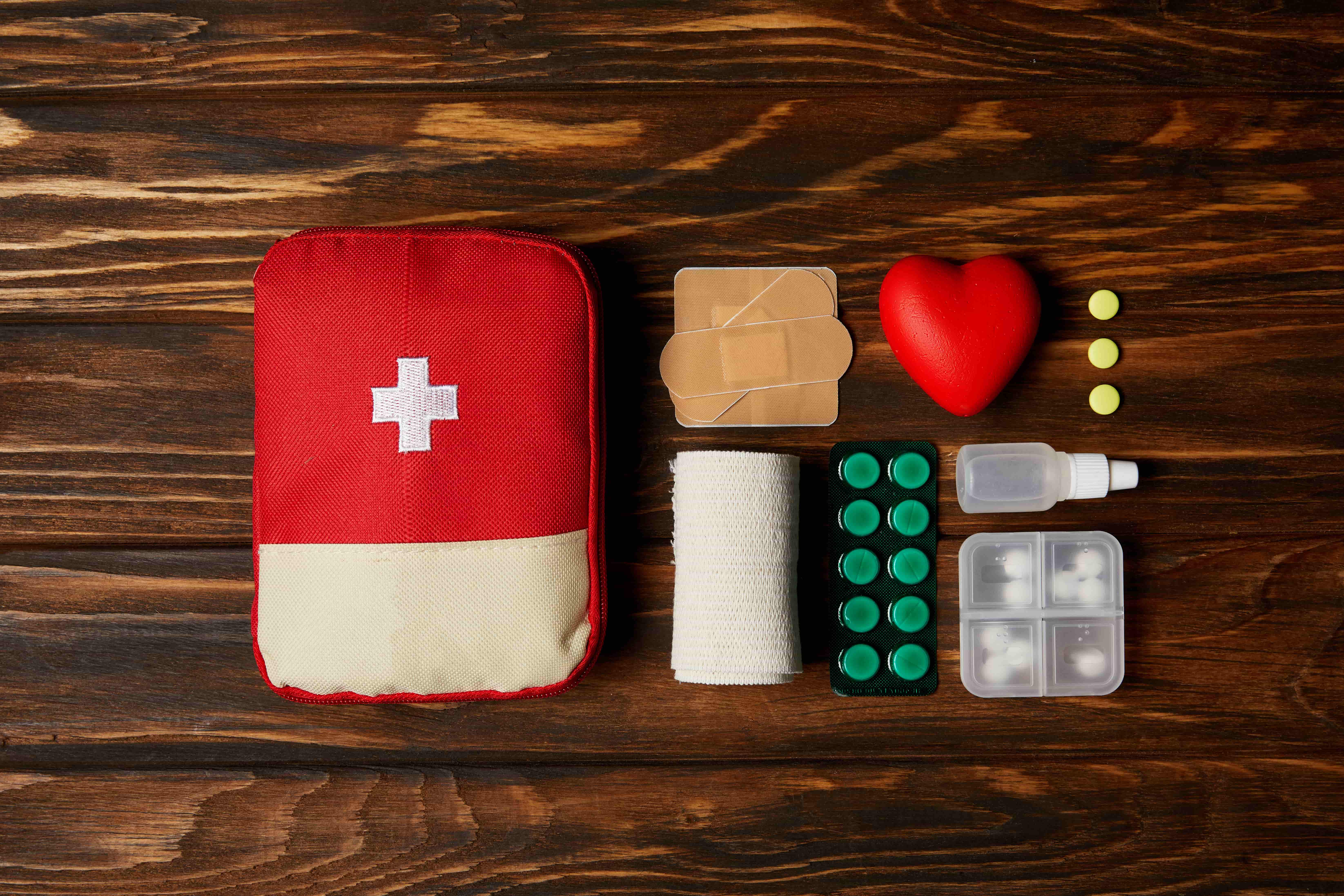
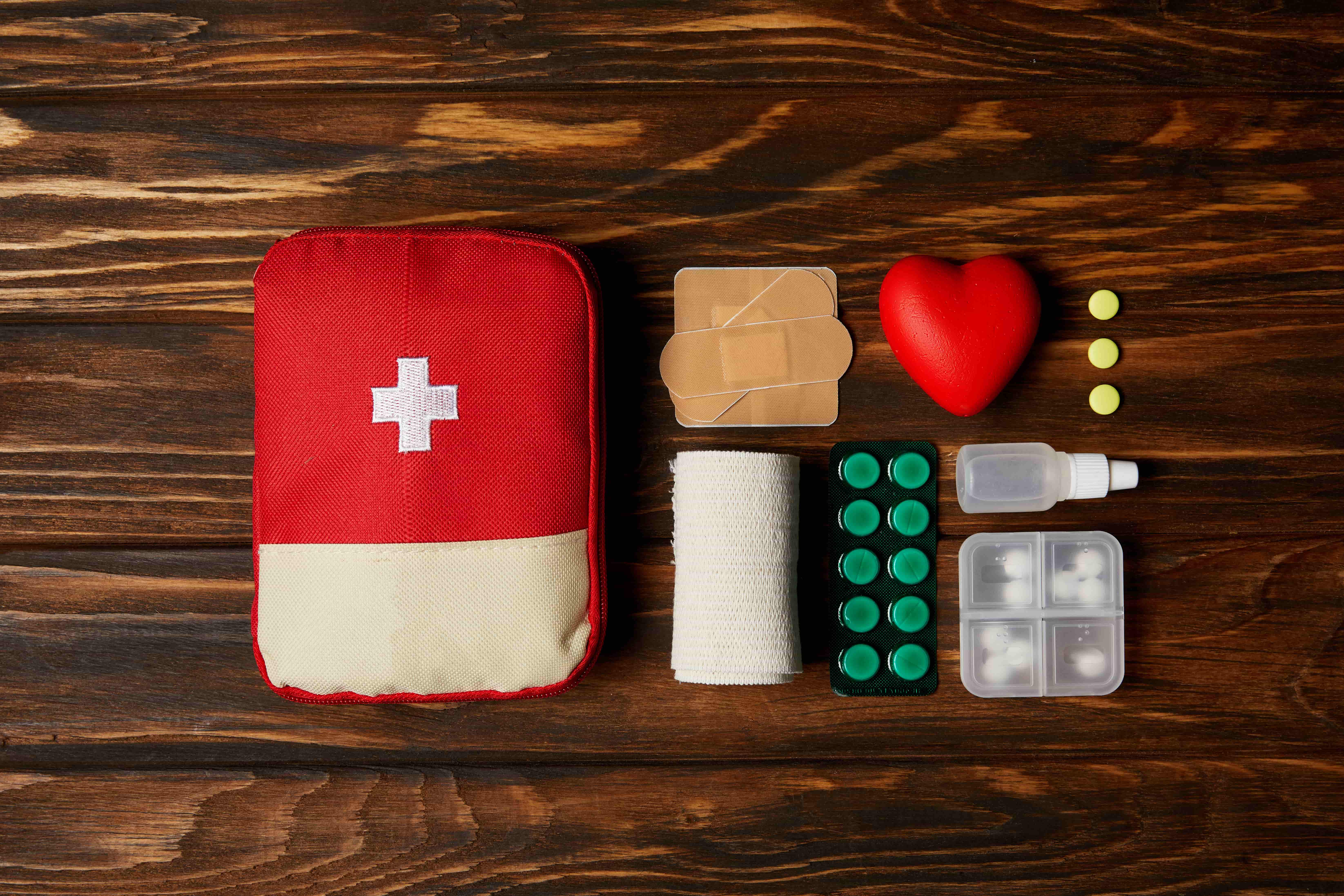
Basic items such as plasters, sterile gauze, antiseptic wipes, disposable gloves and a small digital thermometer can be useful additions. Any regular medication or other personal medical essentials should also be kept somewhere easily accessible. Medicines should remain in their original packaging, and any necessary documentation should be kept readily available throughout your journey.
Hygiene and Personal Care Items
Wet wipes, tissues and hand sanitiser are practical essentials that take up very little space. Depending on your personal needs, you may also want to include travel-sized toiletries or a face mask. For destinations with plenty of sunshine, sunscreen and sunglasses can also be useful additions.
Important Documents and Contact Details
Keeping digital copies of your passport or ID, travel reservations and other important documents in a secure location can be helpful. You may also wish to carry printed copies of essential documents in case you need to access them offline. Alongside your accommodation details, save important phone numbers on your phone, including those of family members and emergency contacts, and consider keeping a written copy as a backup. If you are travelling abroad and have travel insurance, keep your policy details and the insurer's contact information easily accessible.
Electronics and Lighting
A flat phone battery can make everyday travel arrangements more difficult. Keeping the appropriate charging cable and a portable power bank in your emergency kit can help you stay connected when needed. If your destination uses a different type of electrical socket, a travel adapter may also be useful. A small torch can come in handy during night journeys or in situations such as a power cut.
Cash and Other Essentials
Carrying a small amount of cash can be useful in places where card payments or digital payment methods are unavailable. For longer journeys, you may also want to pack a small snack that suits your dietary preferences and a reusable water bottle. Depending on the length and nature of your trip, an extra change of clothes can also be worth keeping on hand.
Adapt Your Emergency Kit to Your Trip
There is no need to prepare exactly the same kit for every journey. Consider the conditions at your destination and the type of trip you are planning. A compact kit may be enough for a city break, while longer journeys may call for additional space for personal essentials. Outdoor trips and holidays with children may also require a few extra items. When travelling abroad, check in advance that you have the necessary documents, contact details and accessories for the electronic devices you plan to use.
Take a Comfortable Break with AKKA Hotels
Once your travel preparations are complete, you can focus on exploring your destination and making time to relax. AKKA Hotels Antedon and AKKA Hotels Alinda offer comfortable accommodation in a Mediterranean setting and can be a convenient base for your travel plans. If you are considering 5-star hotels in Kemer, AKKA Hotels Alinda offers a comfortable place to unwind after a day spent exploring.
Frequently Asked Questions About Travel Emergency Kits
What size should a travel emergency kit be?
It should be compact enough to carry easily while still giving you quick access to the items inside. The ideal size depends on the length of your trip and the personal essentials you need to take with you.
Can you take a travel emergency kit in your cabin baggage?
Items carried in cabin baggage must comply with the airline's rules and applicable aviation security requirements. It is advisable to check your airline's latest baggage restrictions before travelling.
What should you consider when preparing an emergency kit for international travel?
Before travelling, check the entry requirements of your destination country as well as its rules on baggage and restricted items. Keeping important documents and contact details easily accessible can also make your journey easier to manage.
How often should you check your travel emergency kit?
It is a good idea to check the condition and expiry dates of the items in your kit before each trip. Pay particular attention to products that have been stored for a long time without being used.