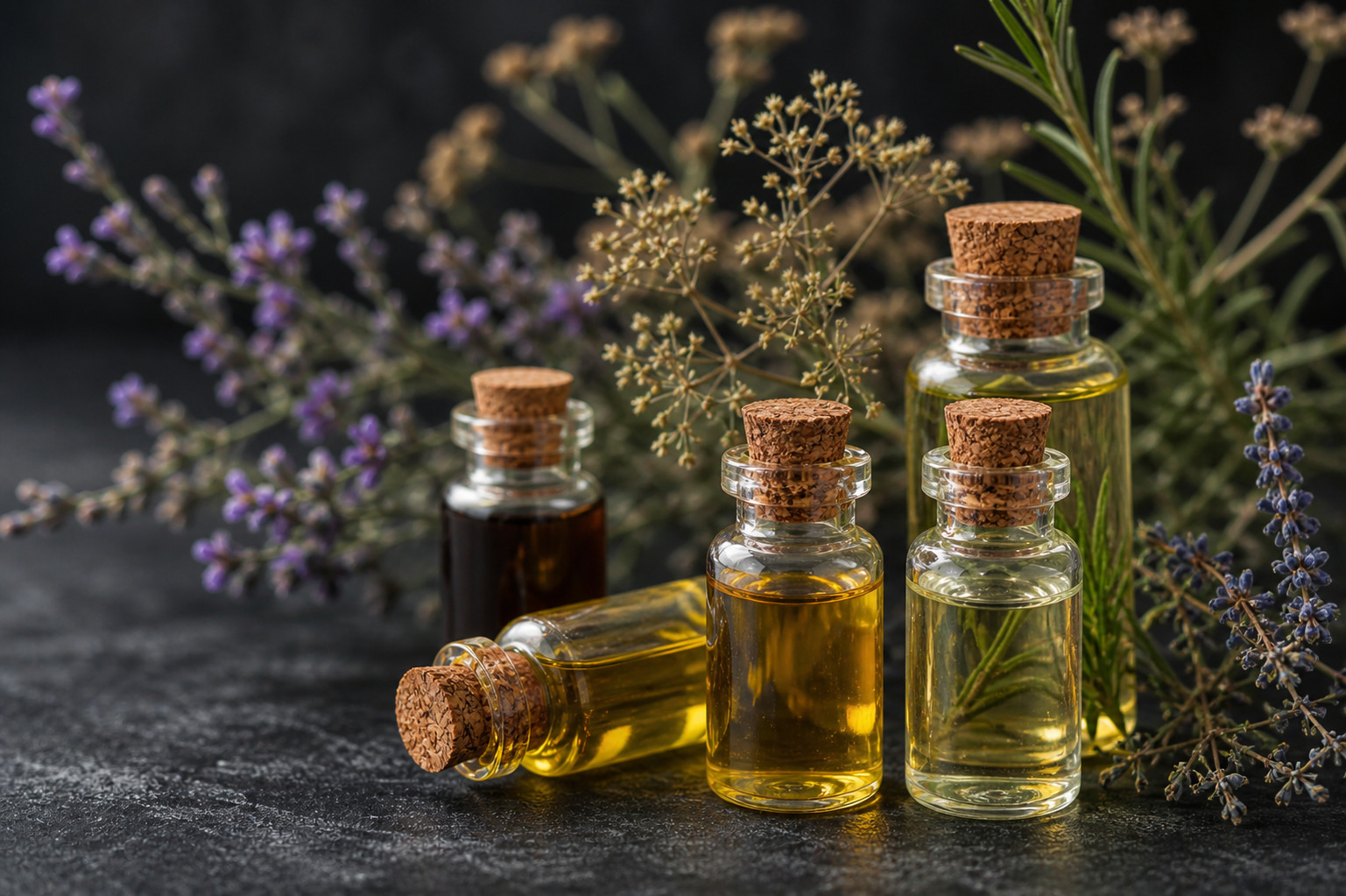

The Effects and Uses of Aromatic Oils
What you will learn in this article: What aromatic oils are, how they work on a chemical and neurological level, their key health benefits, the most practical uses in daily life, safe dilution guidelines, and how to select a genuinely high-quality product.
Walk through a lavender field, peel a fresh orange, or step into a cedar sauna — and something in your body responds almost instantly. That sense of calm, energy, or comfort isn't a coincidence. It's the effect of aromatic therapy oils working through one of your most powerful senses: smell. For centuries, plant-derived aromatic oils have supported physical health, emotional balance, and mental clarity. Today, the science behind those traditions is finally catching up.
What Are Aromatic Oils and How Do They Work?
Aromatic oils are highly concentrated plant extracts obtained from flowers, leaves, bark, roots, or resins through steam distillation or cold pressing. Unlike fixed carrier oils such as jojoba or almond, they are volatile — meaning they evaporate at room temperature, releasing the characteristic scent that makes each oil unique.
Chemical Structure and Mechanism of Action of Aromatic Oils
Each aromatic oil contains dozens to hundreds of distinct chemical compounds, including terpenes, esters, aldehydes, and phenols. When inhaled, these molecules interact with olfactory receptors that send signals directly to the limbic system — the brain's emotional processing and memory center. This neural pathway explains why certain scents can shift your mood, trigger vivid memories, or calm a racing heart almost instantly.
When absorbed through the skin (always diluted in a carrier oil), aromatic compounds enter the bloodstream and can produce both local and systemic physiological effects.
What Are the Benefits of Aromatic Oils?
From calming the mind to healing the body, the following list of aromatic oils showcases the diverse benefits of these powerful plant extracts. Key documented effects include:
- Stress and anxiety reduction: Lavender and bergamot have shown measurable cortisol-lowering effects in multiple clinical studies.
- Improved sleep quality: Diffused lavender before bedtime has been shown to reduce sleep onset time.
- Antimicrobial support: Tea tree and eucalyptus oils demonstrate activity against certain bacteria and fungi.
- Skin barrier support: When properly diluted, oils such as frankincense and rosehip oil assist skin regeneration and moisture retention.
- Headache and muscle relief: Peppermint applied topically to the temples has been shown to reduce tension-type headache intensity.
- Mood elevation: Citrus oils — particularly sweet orange and lemon — are consistently linked to improved mood and reduced fatigue.
Uses of Aromatic Oils
Once you understand the benefits, the practical question becomes how to integrate them effectively into daily life:
- Aromatherapy diffuser: The most widely used method — disperses oils into the air for sustained inhalation effects.
- Topical massage: Diluted in a carrier oil and worked into the skin for muscle relief, relaxation, or skin care.
- Bath: A few drops in warm bathwater creates a combined aromatic and skin-softening treatment.
- Skincare formulations: Blended into serums, facial oils, or body lotions to enhance results.
- Natural household cleaning: Tea tree and lemon oils are popular, effective additions to DIY cleaners.
How Should Aromatic Oils Be Used?
Proper Dilution and Safe Usage
Never apply undiluted aromatic oil directly to the skin — the concentration is far too high and can cause irritation or allergic sensitisation. Standard dilution guidelines are:
- Adult body application: 2–3% (approximately 40–60 drops per 100ml carrier oil)
- Facial application: 1% (approximately 20 drops per 100ml)
- Children over 6: 0.5–1%
Recommended carrier oils include jojoba, sweet almond, fractionated coconut oil, and argan.
Which Oil Is Used for What Purpose?
If you need an aromatic oils list to learn more about them, here you are:
- Lavender → Sleep support, stress relief, skin irritation
- Peppermint → Headache relief, energy, digestion
- Eucalyptus → Respiratory support, antimicrobial action
- Frankincense → Skin renewal, grounding, meditation support
- Bergamot → Anxiety reduction, mood lifting
- Rose → Emotional balance, intense skin hydration
Things to Consider When Using Aromatic Oils
- Pregnant women should consult a healthcare professional before using any aromatic oil.
- Citrus oils are photo-toxic — avoid direct sun exposure on treated skin for at least 12 hours after application.
- Store all oils in dark glass bottles in a cool, dry place, out of reach of children.
- Always patch-test a diluted oil on a small skin area before wider use, particularly with a new product.
What to Look for When Choosing Aromatic Oils
The quality of aromatic oils varies enormously. Prioritize:
- "100% pure" labeling with no synthetic additives or diluents declared
- Botanical (Latin) name listed alongside the common name on the label
- Dark glass packaging to protect against UV degradation
- GC/MS testing — reputable brands provide third-party chemical purity verification
- Country of origin — single-origin oils are more traceable and tend to be more consistent in quality
Discover AKKA Hotels for a Peaceful Stay
The most complete way to experience the restorative power of aromatic oils is in an environment built for deep relaxation. As a standout choice among Turkey hotels, AKKA Hotels’ spa and wellness facilities offer therapeutic treatments that blend the art of aromatherapy with world-class hospitality. Book your retreat today — because rest this good is worth planning for.