
What Is a Turkish Bath (Hammam)? What Are Its Benefits?
The history and cultural significance of the Turkish hammam, exactly what happens during a visit, its proven benefits for skin health, muscle recovery and stress relief, and everything you need to know before your first experience.
Few wellness rituals in the world have a track record stretching back two millennia. The Turkish bath is one of them. Rooted in Roman bathing culture and refined across centuries of Ottoman tradition, the hammam is far more than a place to get clean — it's a ceremony of renewal, a deeply social institution, and one of the most effective full-body treatments you can ever experience.
What Is a Hammam? Information About the Traditional Turkish Bath
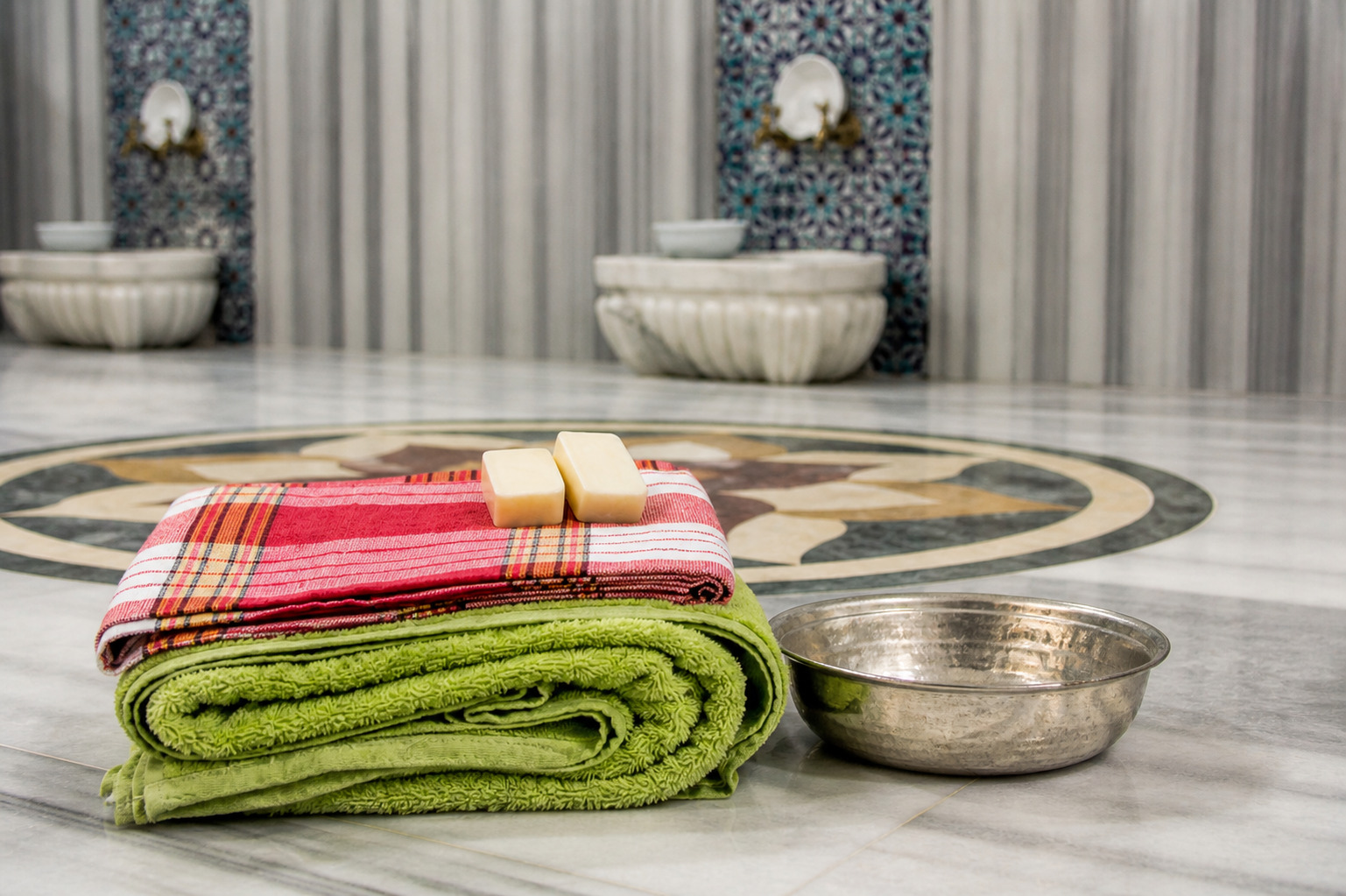
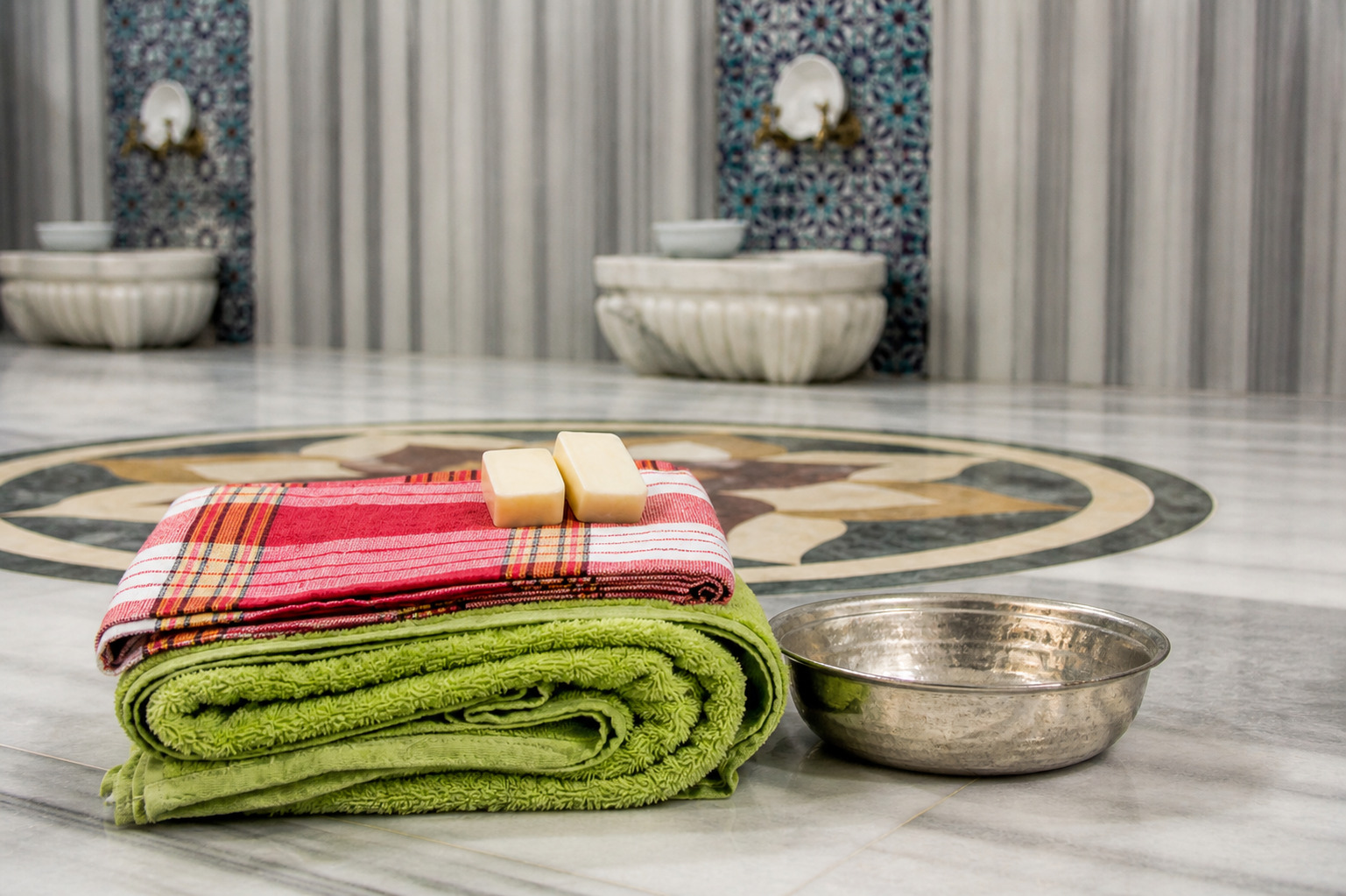
Turkish baths — known as hammams — are purpose-built bathing complexes featuring a sequence of heated rooms at progressively higher temperatures. The centerpiece is the hararet (hot room), where the main treatment takes place on a large, heated marble platform called the göbek taşı (navel stone).
The treatment typically combines steam exposure to open the pores, vigorous exfoliation with a kese (a coarse exfoliating mitt), and a deep foam massage performed by a trained attendant known as a tellak.
The History and Cultural Importance of the Hammam
The Turkish bath hamam evolved from Roman thermae and Byzantine bathing traditions, but it was under the Ottomans that it became a genuine cornerstone of everyday social life. Hammams were constructed adjacent to mosques as places of ritual purification, and they served as the primary venue for community gathering — particularly for women, who had limited access to other public spaces at the time.
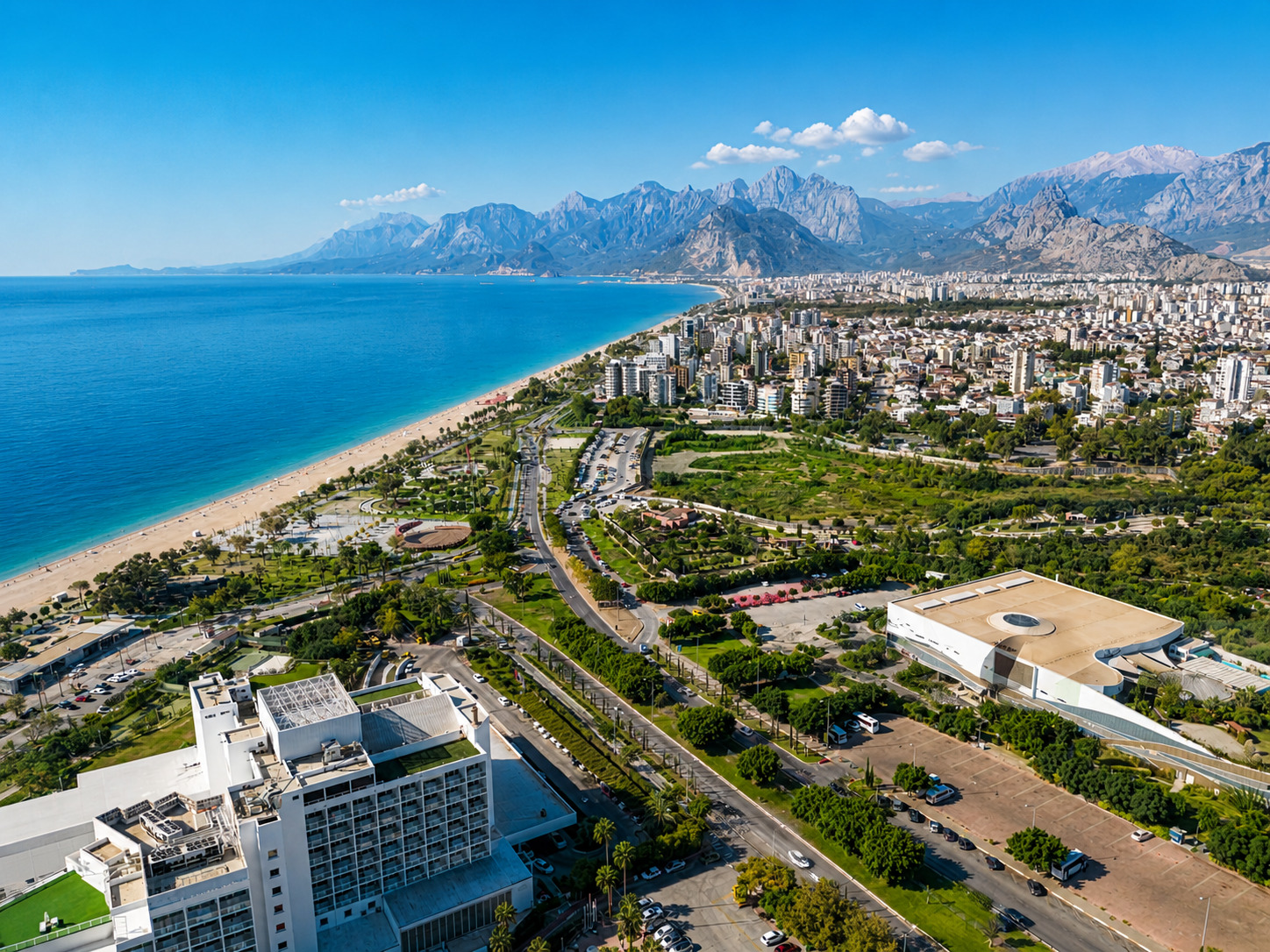
Today, Turkish bath Istanbul venues and hammams in Antalya continue this legacy, blending centuries of heritage architecture with modern spa wellness sensibilities to serve a growing international audience.
What Happens in a Hammam?
Today, while many travellers seek out the best Turkish bath in Istanbul to experience historicOttoman culture, the question ‘What is a hammam Turkish bath?’ is still very common among first-time visitors. A traditional hammam visit follows a clear, unhurried sequence:
Camekân (Changing Room)
You're given a peştemal (a woven cotton wrap) and wooden clogs. Personal belongings are secured in a private locker.
Ilıklık (Warm Room)
A transitional space where your body gradually acclimatises to the rising temperature before entering the main chamber.
Hararet (Hot Room)
The heart of the experience. You rest on the heated marble slab while steam opens your pores. The attendant then performs the kese exfoliation and lathered foam massage.
Soğukluk (Cool Room)
A gradual cool-down phase — rushing from extreme heat to cold is not part of the tradition.
Rest (Camekân again)
You return wrapped in towels and are typically offered tea or water. This phase is considered integral to the full therapeutic benefit of the experience.
What Are the Benefits of a Hammam?
Benefits for Skin Health
The combination of sustained steam and manual exfoliation in a hammam turkish bath produces results that are genuinely difficult to replicate through any home skincare routine:
Dead skin cells are removed from the surface, revealing noticeably softer, more luminous skin
Pores are deeply cleansed, reducing the likelihood of breakouts and congestion
Circulation is significantly boosted, helping to even skin tone over time
Skin becomes substantially more receptive to any moisturising or treatment products applied afterwards
Effects on Muscles and Stress Relief
The thermal environment and hands-on treatment in what is a turkish bath experience work well beyond the surface:
Chronic muscle tension accumulated from travel, sport, or desk-bound work is markedly reduced
The sustained heat and endorphin release produce a mood lift that extends well beyond the session itself
Cortisol levels drop, generating a lasting sense of calm that many guests describe as one of the most relaxing experiences of their trip
Joint flexibility and range of motion frequently improve after even a single session
Things to Know Before Visiting a Hammam
Health considerations: If you have cardiovascular issues, high blood pressure, or are pregnant, consult your doctor before visiting. The intense heat should be avoided in certain conditions.
Eat lightly beforehand: Visit at least one to two hours after a meal, not on a completely empty stomach, but equally not when full.
Hydrate well: Drink water before and after your visit; the combination of steam and perspiration is significantly dehydrating.
Remove jewellery and contact lenses: Metal heats up quickly on the marble surfaces, and contact lenses are uncomfortable in heavy steam.
Tipping is standard practice: Tipping your attendant is an established norm in traditional Turkish hammams and is warmly appreciated.
Pack a change of clothes: You will leave feeling genuinely clean, relaxed, and renewed, fresh clothes are the right ending to the experience.
Enjoy a Relaxing Holiday Experience with AKKA Hotels
A hammam session is one of the finest ways to begin, or close, your time in Antalya. AKKA Hotels Antedon Spa & Wellness brings the authentic hammam tradition together with contemporary wellness in a setting designed entirely around your relaxation. Book your stay and experience our authentic Turkish baths and health spa — because the holidays that restore you deepest are the ones worth planning.