
What Is Blue Light Detox?
This article covers what blue light detox means, where blue light comes from, how it harms your health, practical strategies to reduce your exposure, and who benefits most from going screen-free.
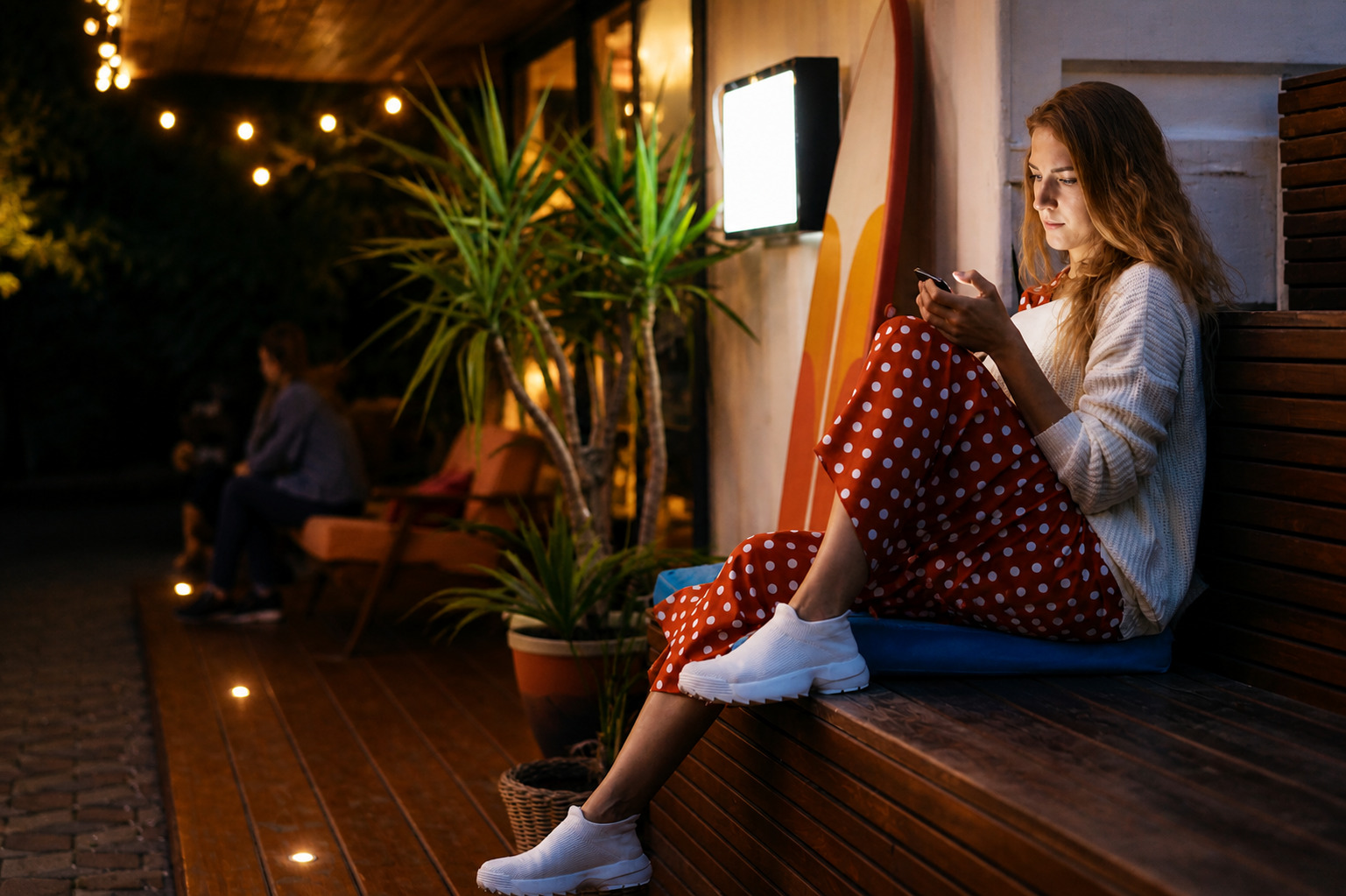
You check your phone first thing in the morning, scroll through social media at lunch, and stare at a screen right up until you fall asleep. Sound familiar? If so, you may be overdue for a blue light detox. This invisible form of artificial light quietly disrupts your sleep, strains your eyes, and throws your body clock off balance and many don't realize it happens until the effects are firmly established.
What Is Blue Light Detox and Why Is It Important?
Understanding how to detox from blue light begins with knowing what it actually is. Blue light sits within the 400–500 nanometer range of the visible light spectrum and is a natural component of sunlight. The problem isn't the light itself, it's the intensity and timing of artificial exposure from screens, which signals to your brain that it's still daytime, even at midnight.
A blue light detox is the deliberate practice of reducing screen-based blue light exposure, particularly in the hours before sleep. It doesn't require expensive gadgets or radical lifestyle changes, just a few consistent, well-timed habits.
Sources of Blue Light in Daily Life
Block blue light strategies are more effective once you know exactly where it's coming from. The main sources in modern life include:
- Smartphones and tablets (the biggest daily contributors)
- Computer and laptop monitors with LED backlighting
- LED and fluorescent office and home lighting
- Flat-screen televisions
- Gaming consoles and handheld devices
The average adult now spends well over 10 hours per day looking at screens. That level of cumulative exposure adds up quickly, and the effects compound over time.
What Are the Harmful Effects of Blue Light?
Blue light blocking has become a mainstream priority precisely because the effects are so widely felt. Blue light suppresses melatonin production — the hormone your body uses to initiate sleep — and prolonged overexposure can lead to:
- Eye fatigue, dryness, and blurred vision after extended screen use
- Difficulty falling asleep and reduced sleep depth
- Disruption of your circadian rhythm, with downstream effects on hormones and immunity
- Increased difficulty concentrating during the day
- Long-term risk of cumulative retinal stress with high-intensity exposure
How to Do a Blue Light Detox
The encouraging news is that you don't need to abandon your devices entirely. Targeted, habit-based adjustments make a real and measurable difference.
Tips to Reduce Daily Blue Light Exposure
- Activate Night Mode or Warm Display settings on all devices after sunset
- Use blue light filtering glasses during extended work sessions
- Replace bedroom LED lighting with warm, amber-toned bulbs
- Apply the 20-20-20 rule: every 20 minutes, focus on something 20 feet away for 20 seconds
- Create a screen-free window of at least 60 minutes before bedtime
The Relationship Between Digital Detox and Sleep Quality
Research consistently demonstrates that even a few screen-free evenings are enough to measurably improve how quickly you fall asleep and how deeply you sleep. A digital detox realigns your body's natural melatonin cycle — so instead of lying awake with a buzzing mind, you fall asleep when your body is ready. If you've been relying on the snooze button every single morning, your circadian rhythm may be the root cause.
What Are the Benefits of Blue Light Detox?
Those who commit to a consistent blue light detox routine commonly report:
- Falling asleep faster and experiencing deeper, more restorative sleep
- Significantly reduced eye strain and fewer tension headaches
- Sharper focus and higher sustained productivity during working hours
- Greater emotional stability and noticeably lower stress levels
- A healthier, more intentional relationship with technology
Who Should Do a Blue Light Detox?
If you spend more than six hours a day in front of screens, struggle to fall asleep, or consistently wake up feeling unrefreshed, a structured blue light detox is worth trying. It's especially recommended for:
- Remote workers and office-based professionals
- Students with heavy screen-dependent schedules
- Children and teenagers (developing eyes are more sensitive to blue light exposure)
- Anyone dealing with chronic fatigue, disrupted sleep, or persistent eye discomfort
Relax and Recharge by Exploring the Privileges of AKKA Hotels
Sometimes the most effective blue light detox is a holiday where the only screen you need is the horizon. As one of the premier hotels in Antalya Kemer, AKKA Hotels Alinda offers a setting designed for genuine rest — away from notifications, deadlines, and screens. Book your stay today and give your eyes, and your mind, the reset they've been waiting for.