
What You Need to Know About Rumeli Fortress
There are landmarks that simply define a city’s skyline, and then there are those that tell the story of an empire's birth. Rumeli Fortress, or Rumeli Hisarı as the locals call it, is definitely the latter. Standing tall at the narrowest point of the Bosphorus, this massive stone sentinel has been watching over the straits for over five centuries. It’s not just a museum; it’s a colossal piece of military genius that changed the course of world history.
Where Is Rumeli Fortress Located?
You’ll find Rumeli Hisari fortress perched on the European side of Istanbul, in the Sariyer district. It sits directly across from its "older brother," the Anadolu Hisarı (Anatolian Fortress). This specific spot wasn't chosen for the view; it was a strategic chokehold designed to control all maritime traffic passing through the Bosphorus.
How to Get to Rumeli Fortress?
Getting there is part of the adventure. If you are staying at one of the vibrant hotels in Istanbul, Taksim, you’re in luck—the connection is straightforward. You can hop on a bus (the 40, 40T, or 42T lines) from Taksim Square, which takes you on a scenic drive along the coast. Alternatively, take the M2 metro to Hacıosman and switch to a bus at Levent. But honestly? The best way is to take a ferry to Bebek and enjoy a 15-minute walk along the water, watching the fishermen and the bridges.
The History of Rumeli Fortress: When and Why Was It Built?
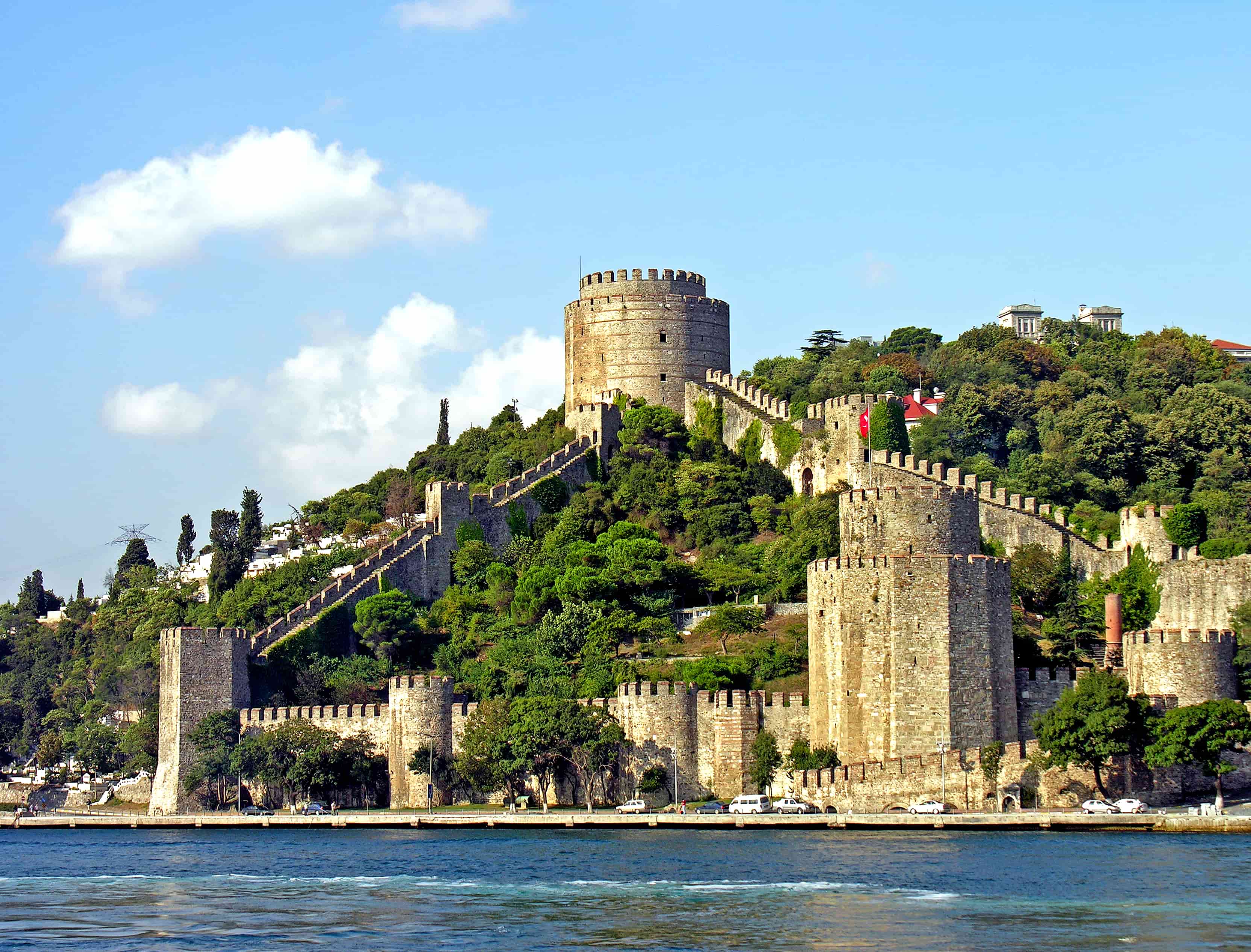
The history of Rumeli Fortress is a tale of speed and ambition. It was built in 1452, just one year before the conquest of Constantinople. Sultan Mehmed II (Mehmed the Conqueror) knew that to take the city, he had to cut off the supply lines from the Black Sea. By building this fortress, he effectively "locked" the Bosphorus, earning the fortress the nickname Boğazkesen, which literally means "Strait-Cutter" (and also "Throat-Cutter").
Mehmed the Conqueror and the Construction of Rumeli Fortress
The construction itself was a legendary feat. Mehmed the Conqueror oversaw the project personally, and it is said the entire structure was completed in just about four months. This was an impossible timeline for the 15th century. Each of the three main towers was assigned to a different pasha (high-ranking official), creating a competitive environment that ensured the walls rose at an unbelievable pace.
The Architectural Features of Rumeli Fortress
Architecturally speaking, Rumeli Hisarı fortress is basically a masterclass in "military grit." Forget about the neat, symmetrical castles you see in Europe; this layout is intentionally planned chaotic. It clings to the jagged, sloping terrain of the hillside like it’s part of the rock itself. Those walls weren't built for aesthetics—they were thick, brutal slabs of stone designed to laugh off the primitive cannon fire of the 1400s. The three main towers, named after pashas Halil, Saruca, and Zaganos, aren't just standing there for show; they’re linked by massive curtain walls that turn the whole hillside into a giant, lethal triangle. It’s an asymmetrical masterpiece that proves Mimar Sinan’s predecessors knew exactly how to weaponize geography.
What Is Inside Rumeli Fortress?
Once you step inside the Rumeli Fortress Museum, you’ll realize it’s much more than just walls. The interior features an open-air theater (often used for concerts in the summer) and several smaller towers. While the interior buildings have mostly vanished over time, the real "exhibit" here is the view. Climbing the stairs gives you a panoramic perspective of the Fatih Sultan Mehmet Bridge that is simply unbeatable.
Visitor Information for Rumeli Fortress (Museum, Opening Hours, Admission)
If you're planning a trip, keep these details in mind:
Museum Name: Rumeli Hisarı Museum.
Opening Hours: Generally open from 09:00 to 18:00 (closed on Mondays).
Rumeli Fortress Entrance Fee: Prices fluctuate due to local updates, so it’s recommended to carry a MuseumPass or check the official culture ministry site for the current rate.
Pro Tip: Wear sturdy shoes. The stone steps are original and can be quite slippery.
Discover the Unique Architecture of Rumeli Fortress
A day at Rumeli Fortress in Istanbul is an exhausting but deeply rewarding experience. After you've spent hours conquering ancient towers and soaking in the history of the Bosphorus, you’ll likely want to retreat to somewhere that offers a bit of modern pampering. Most travelers prefer heading back to the city center, where the energy is high and the service is top-notch. If you are looking for the best place to rest your feet, the various hotels in Istanbul Taksim—including boutique spots like Akka Lush—provide the perfect contrast to the fortress's rugged stone. It’s the ultimate Istanbul day: exploring 1450s military history by afternoon and enjoying the luxury of Taksim by night.